.svg)


Key Takeaways
- Legacy systems are not necessarily broken, but they often limit scalability, agility, and innovation.
- Technical debt becomes a business problem when maintenance costs and delivery delays start affecting growth.
- Many organizations continue relying on legacy software because it supports mission-critical operations.
- Modernization does not always mean rebuilding everything from scratch.
- Successful transformation strategies balance business continuity, risk management, and long-term technology goals.
What is a legacy system? A clear definition
Although the term is often mistaken for simply “old technology,” age alone doesn’t define it. Some decades-old systems remain stable and well maintained, while newer solutions can become legacy systems if they are poorly documented, difficult to scale, or dependent on unsupported technologies.
So, what is a legacy system exactly? In practical terms, a legacy system is software, hardware, or an IT environment that still supports core business operations but relies on outdated technologies, architectures, or workflows that limit further development.
When discussing the legacy software meaning, you should think of:
- limited compatibility with modern tools and cloud-native architectures,
- lack of vendor support or shrinking developer ecosystems,
- rising maintenance and infrastructure costs,
- increasing security and compliance risks,
- difficulty introducing new features without destabilizing the system.
We often see organizations facing legacy challenges not because their systems stop functioning, but because they become harder to use effectively. In the Hozint platform modernization project, growing data complexity exposed limitations in the existing interface, making it difficult for users to interpret critical information quickly. By modernizing the frontend and improving data accessibility, the platform became more intuitive and efficient while preserving its core functionality.
Legacy software vs. Legacy system — is there a difference?
The terms are often used interchangeably, but they’re not the same.
Legacy software refers to the application itself — an ERP platform, internal management tool, customer portal, or custom-built product that still supports the business despite being difficult to maintain or evolve.

A legacy system goes several steps further, including the software and the surrounding infrastructure, databases, integrations, middleware, and even the manual workflows that grew around it over the years.
This distinction is particularly relevant for CTOs and engineering leaders evaluating modernization strategies, as it helps clarify whether the challenge lies in the application layer alone or in the broader system architecture and operational environment.
Types of legacy systems
Legacy systems become outdated for different reasons: end-of-life software, accumulated changes, lost expertise, or aging infrastructure.
End-of-Life (EOL) systems
These are platforms no longer supported by vendors, meaning no updates or security patches. They may still run but become risky and difficult to integrate with modern tools. Some regulated industries still rely on systems like Windows XP due to migration constraints.
Custom-built legacy applications
Older in-house systems often outlive the teams and documentation that created them. Over time, they become hard to modify safely, especially when built on outdated languages with shrinking developer support, increasing maintenance and hiring costs.
Heavily patched systems
Some systems degrade through continuous quick fixes and feature additions without clear architecture. This creates tangled dependencies, unclear documentation, and slower development. Many monolithic systems fall into this category.
In our work on enterprise systems such as the Facta platform, we often see that accumulated complexity directly impacts operational efficiency and data quality. After modernization, improvements included an 80% reduction in work required to close the month and a 30% decrease in audit and data integrity issues, showing how architectural clarity translates into measurable business outcomes.
Legacy hardware and mainframes
Not all legacy is software — many organizations still rely on mainframes and aging infrastructure, especially in banking and government. These systems are stable but difficult to integrate or replace, so modernization is usually gradual.
Why do companies still use legacy systems?
From the outside, replacing a legacy system may seem like an obvious move. If outdated technology slows development, increases costs, and creates operational risk, why keep it? In our experience, the real challenge is evolving critical systems without disrupting the business operations they still support.

Business criticality and risk
A common pattern we see during modernization projects is that legacy platforms continue powering core processes despite their limitations. Even short downtime can affect revenue, customer experience, or compliance, which makes organizations cautious about introducing large-scale changes. Many companies have also invested in these systems for years, making full replacement difficult to justify financially and operationally.
Capacity constraints
Another obstacle is organizational bandwidth. Engineering teams must modernize while still maintaining existing systems, supporting users, and delivering new features. During system audits, we often uncover undocumented dependencies, outdated integrations, and growing technical debt combined with shrinking talent pools for older technologies.
Nearly 80% of respondents reported that technical debt contributed to delayed innovation, increased costs, organizational paralysis, or the cancellation of business-critical projects.
Organizational resistance
Modernization also goes beyond technology itself. Leadership teams question ROI and migration risks, while employees worry about disruptions to familiar workflows. This is especially common in regulated industries like finance, healthcare, and the public sector, where compliance requirements and vendor dependencies — including vendor lock-in — add further complexity and limit flexibility in choosing migration paths.
Alignment as a prerequisite
Successful modernization often starts with getting all stakeholders on board. It requires stakeholder alignment, clear communication, and gradual transformation strategies that balance business continuity with long-term scalability.
Real-world examples of legacy systems
Even the world’s largest organizations still rely on technology built decades ago as these systems continue to support business-critical operations every single day.
Legacy systems are especially common in industries where stability, compliance, and operational continuity matter more than adopting the latest technology trends.
Banking and financial services
Banks, for example, continue to rely on COBOL-based systems to process transactions and payments. These platforms are highly stable, but increasingly difficult to maintain due to a shrinking pool of engineers with the right expertise.
A similar pattern appears in insurance, where operational workflows are often highly manual and document-heavy. In one of our projects — a business insurance app — a common challenge was fragmented processes spread across emails, spreadsheets, and disconnected tools. Policy handling, documentation, and communication flows were not centralized, which made everyday operations harder to track and manage.
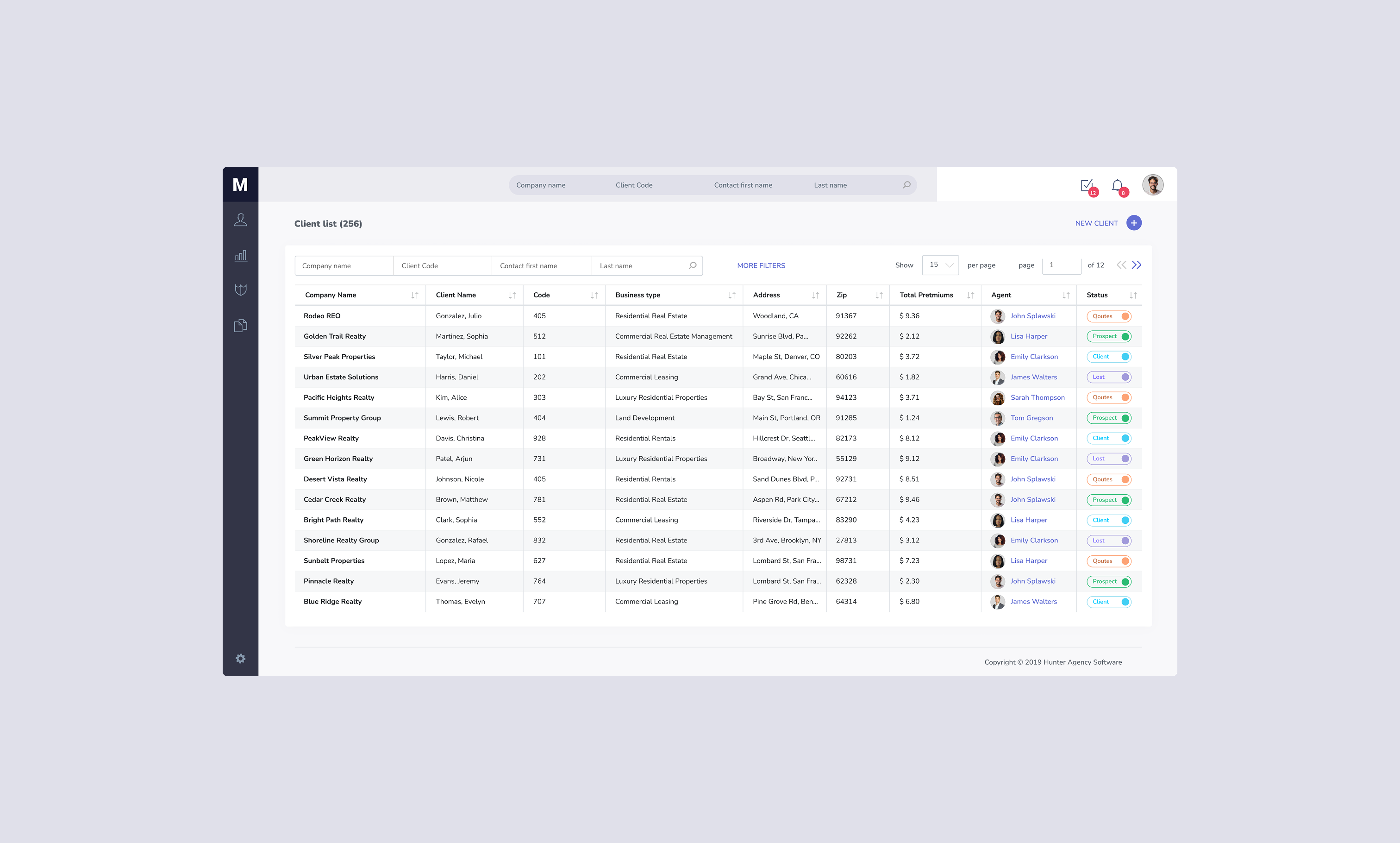
Modernization in this context is less about replacing a single system and more about reshaping the operational workflow itself. The result is a more transparent end-to-end process that is easier to scale and maintain.
Healthcare
Healthcare providers use legacy systems for patient records, billing, and administration. Many lack modern interoperability, making integration and data exchange difficult. Strict regulations and the need to avoid disruption to patient care further slow modernization efforts.
Government
Public institutions often rely on legacy mainframes for taxation, identity systems, and public records. These systems prioritize stability over flexibility. Because of their scale and critical role, governments usually modernize them incrementally instead of replacing them outright.
Industry and manufacturing
Manufacturing and energy are highly legacy-dependent sectors where software is tightly coupled with machinery, sensors, and physical processes. In these environments, downtime can halt production, so reliability and continuity are the top priorities.
Modernization in this space is usually a gradual evolution, focused on improving selected components while keeping core operations stable.
A common pattern we see is the need to support systems operating under unstable connectivity and in harsh environments. This is visible in the SafeEx project we delivered for our client, designed for offshore drilling platforms. During system design, a key challenge was ensuring reliable data synchronization and performance despite intermittent network access.
Instead of rebuilding the entire stack, the focus was on creating a resilient layer that could operate reliably under difficult conditions, reflecting a broader rule in industrial modernization: evolve systems without disrupting physical operations.
Risks and problems of legacy systems
Legacy system risks rarely appear suddenly. They build up over time, showing up as higher costs, slower processes, and reduced agility rather than outright failures.
As we explored in our article on the real costs of maintaining legacy systems, the biggest challenge is often not a single technical issue but the cumulative impact of years of postponed upgrades, workarounds, and growing technical debt. What initially seems manageable can gradually affect operational efficiency, scalability, and the ability to innovate.
Outgrowing existing solutions and scaling with the business
Systems that once worked well at a smaller scale often become a constraint as the business grows. Each new feature or integration adds complexity, turning a stable foundation into operational friction. Early symptoms? Release cycles slow down, deployments take hours, changes affect interconnected components.
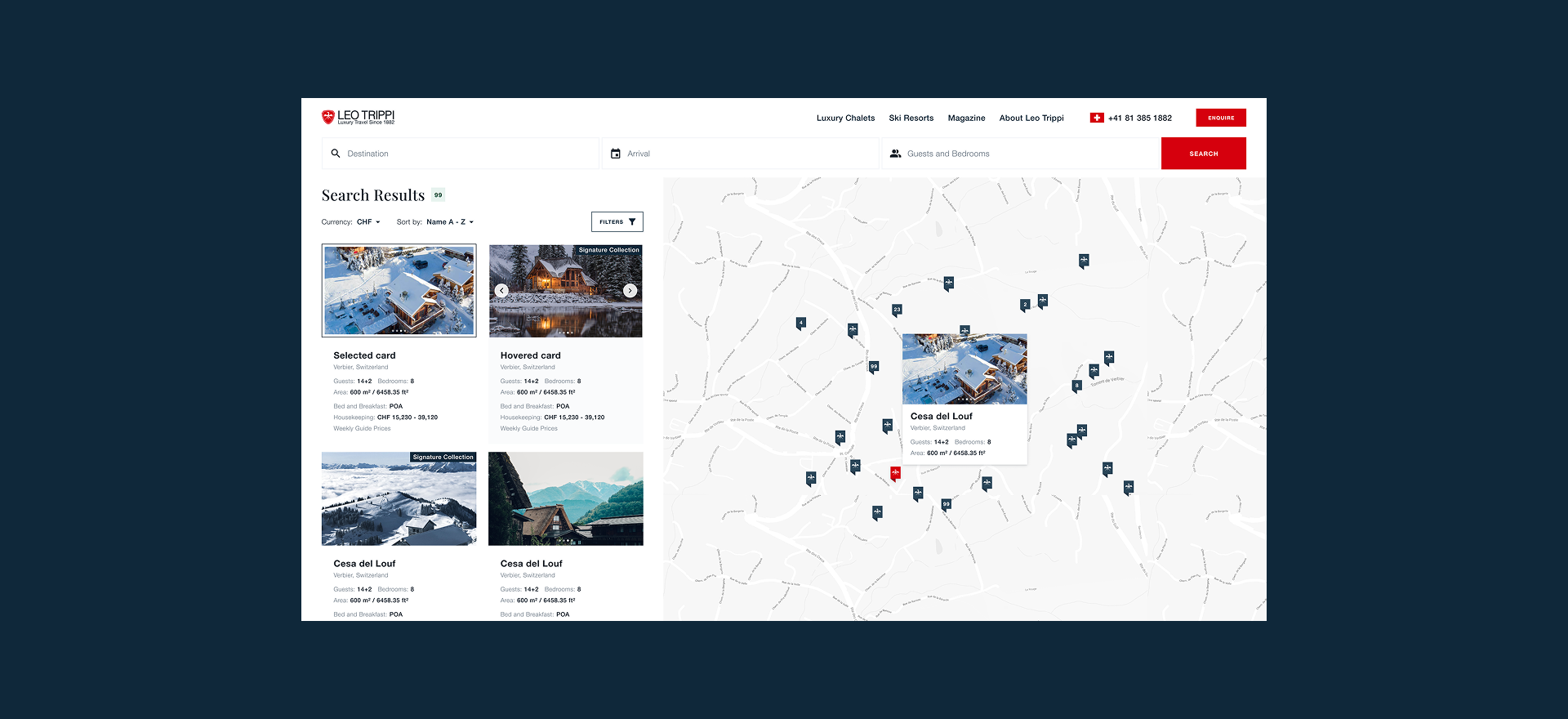
A clear example is the Leo Trippi platform, where a standard CMS setup became restrictive as the business evolved. What initially worked well could no longer support booking logic, integrations, and structured travel data. The modernization moved the system from a generic CMS to a dedicated architecture built for operational workflows, showing how tools like WordPress become limiting when business needs exceed their design assumptions.
A similar case is the Sensirion ecosystem, where multiple business units required a more unified approach. As complexity grew, managing content and releases became increasingly difficult. The modernization focused on creating a coherent architecture for content and deployment management, improving scalability across the digital ecosystem.
Poor user experience and rising friction
Legacy interfaces often reflect outdated workflows, with complex navigation, limited mobile support, and inconsistent usability. In practice, this leads to slower task completion, more user errors, and lower adoption across both internal and customer-facing systems.
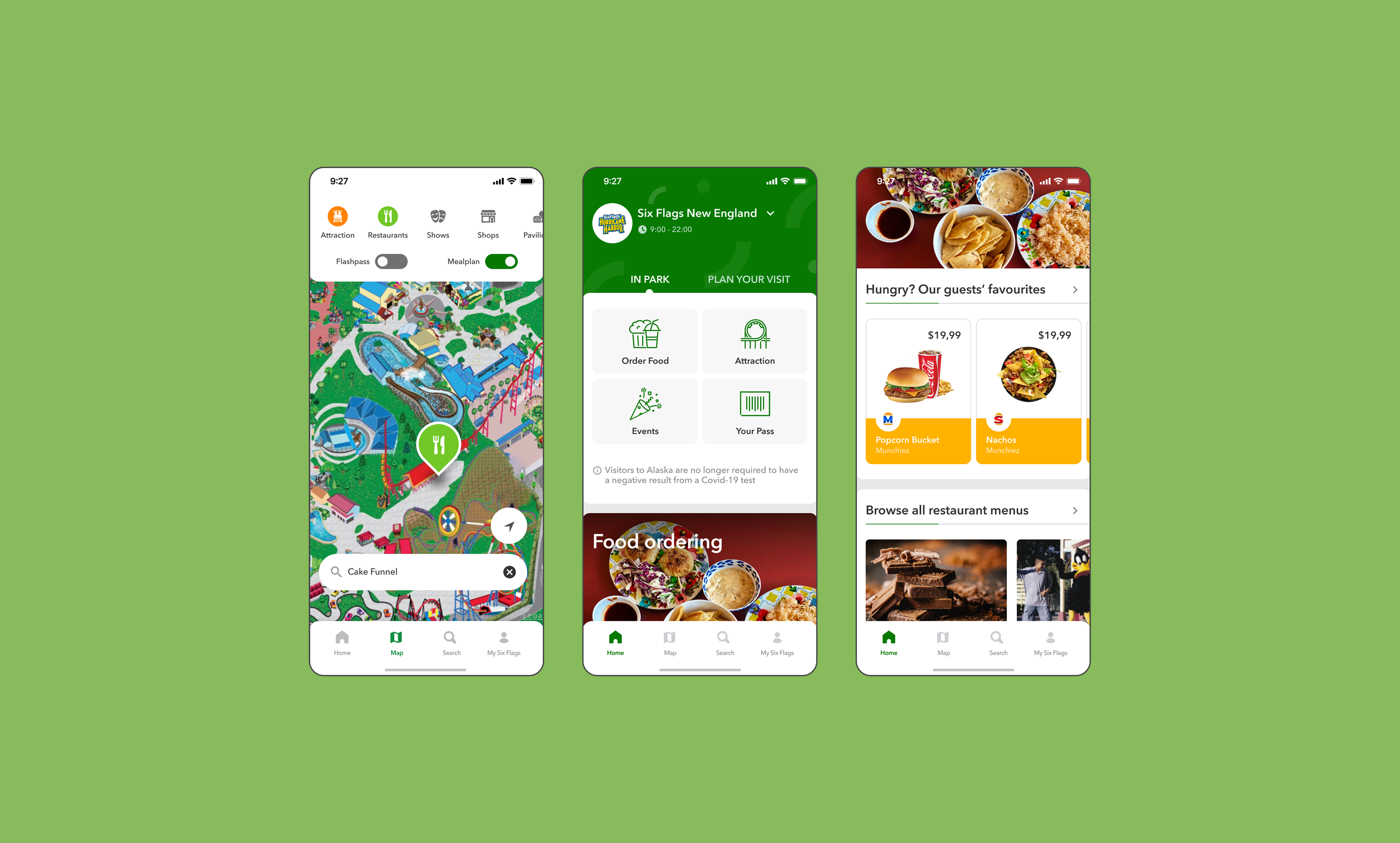
A clear example of this is the modernization of Six Flags’ mobile application — a large-scale project for one of the leading amusement park operators in the United States. The goal was not only to improve usability, but also to stabilize the application’s performance at scale. We achieved a 97% reduction in app crashes, significantly improving reliability in a high-traffic, customer-facing environment.
High maintenance costs
Maintaining legacy systems becomes progressively more expensive due to specialized skills, frequent incidents, and constant workarounds. Organizations often spend more on keeping systems alive than improving them, as continuous fixes replace structured evolution.
Security vulnerabilities
Outdated systems often run on unpatched components and obsolete security practices, increasing exposure to attacks. Weak authentication, outdated protocols, and missing updates create persistent security risks and compliance challenges.
A common example of weak authentication in legacy environments is the use of hard-coded credentials embedded directly in application code or configuration files. For instance, a system may contain a fixed database password stored in a backend service or legacy script, reused across environments and rarely changed due to dependency risks. If that credential is ever exposed — through a code leak, misconfigured repository, or insider access — it can provide direct entry into critical systems without any additional security barriers.
Slowing internal processes
Legacy systems fragment workflows, forcing employees to switch tools, duplicate data, and rely on manual steps. This adds hidden operational overhead and slows down everyday work. Consolidation through modernization reduces this inefficiency.
Slow time-to-market and competitive lag
Legacy systems are difficult to change, so even small updates require extensive testing, careful coordination, and slow, controlled deployments. Instead of frequent releases, teams are often locked into long, risk-heavy cycles.
Based on what we’ve seen, this creates a clear gap between modern delivery expectations and legacy release constraints, slowing down even minor improvements.
As we describe in our webinar on live software modernization and time to market, this slower release velocity becomes a real competitive disadvantage over time.
Limited revenue potential and blocked business models
Rigid architectures make it difficult to support modern models like subscriptions, APIs, or dynamic pricing. This limits both optimization of current revenue streams and the ability to launch new ones.
Data silos and integration failure
Legacy environments often trap data in isolated systems, such as CRM platforms, ERP systems, or custom internal tools, preventing a unified view of the organization. This leads to fragmented reporting and slower, less accurate decision-making.
To ensure data integrity while minimizing disruption to ongoing operations during the transition from legacy systems to modern architectures, follow a structured five-stage data migration process:
- extract
- transform
- clean
- validate
- load
Compliance and regulatory gaps
Older systems often lack the transparency and auditability required by modern regulations like GDPR. This increases compliance risk and makes reporting more difficult and error-prone.
Performance and scalability limitations
As usage grows, legacy systems often struggle to scale efficiently. Performance degrades, and expansion typically requires complex and risky architectural changes.
Talent shortage
Many legacy technologies rely on shrinking pools of expertise. When key specialists leave, organizations may lose critical system knowledge, increasing operational risk and fragility.
Replace or modernize? How to make the decision
Choosing what to do with a legacy system is a decision shaped by risk, criticality, and the organization’s ability to change without disrupting operations. The real question is what level of change is safe, necessary, and sustainable.
When full replacement makes sense
Full replacement is appropriate when a system can no longer meet security requirements, is too costly to maintain, or significantly blocks business growth. If the architecture is closed, poorly documented, or tied to obsolete technologies, incremental improvement may no longer work. In such cases, continuing to extend the system often increases risk instead of reducing it, especially when modern integration is not feasible.
When modernization is the right move
Modernization is the better option when the system still provides business value but needs better performance, functionality, or integration. The goal is to extend its lifecycle while reducing limitations through approaches like cloud migration, partial rewrites, or targeted improvements, depending on constraints and priorities.
Decision criteria
The choice depends on a structured evaluation of factors such as:
- security and compliance, integration capabilities,
- total cost of ownership versus migration cost,
- available expertise,
- and regulatory constraints.
Comparing both options side by side helps determine whether modernization reduces risk or simply postpones replacement.
Legacy system modernization strategies
Modernization is a spectrum of approaches that vary in scope, cost, and risk. It ranges from minimal infrastructure changes to full system replacement, depending on business needs and constraints.
Rehosting
Rehosting, often referred to as lift and shift, is one of the least invasive legacy modernization approaches. As we describe in our article on legacy system modernization strategies, it involves moving an existing system to new infrastructure — typically the cloud — without changing its core architecture.
In many modernization journeys, rehosting serves as an initial step that helps remove infrastructure constraints and creates a foundation for more extensive architectural improvements later on.
Augment and refactor
This approach improves selected parts of the system while keeping the core intact. It may include refactoring modules, adding APIs, or introducing new layers for better integration and performance. It is used when the system still works but needs more flexibility or interoperability.
Complete rewrite
A full rewrite replaces the system with a new architecture built from scratch. It is the most costly and risky option but offers maximum long-term flexibility. It is typically chosen when the legacy system is no longer maintainable, fails compliance requirements, or cannot support business needs.
Ready to modernize your legacy system?
Legacy systems are not a dead end but are a natural stage in the lifecycle of enterprise technology. The real challenge is not whether they should exist, but when to modernize, when to replace, and when to simply stabilize and protect what already works.
At Merixstudio, we support technology-driven organizations through every stage of this process, from system audits and architecture assessment to full-scale modernization and delivery.
If you’re evaluating your legacy environment and planning your next steps, explore our software modernization services or get in touch with our team to discuss your system and transformation goals.
FAQ
Legacy systems are software, infrastructure, or IT environments that still support critical business operations but rely on outdated technologies or processes. They continue to function but often limit scalability, integration, and innovation.
Legacy software refers to applications built on outdated codebases or frameworks that are still in use. While they may work, they are often difficult to maintain, extend, or integrate, gradually becoming operational constraints.
Examples include COBOL-based banking platforms, hospital patient and billing systems, government mainframes for taxation and licensing, and industrial control systems. They remain in use because they are deeply embedded in critical operations.
When support ends, systems no longer receive updates or security patches, increasing security risks, compliance issues, and compatibility problems. This typically raises maintenance costs and forces organizations to consider modernization or replacement.

Miłosz Kusiciel
Head of Technology
Head of Technology at Merixstudio with over 17 years of experience in software development and tracking emerging trends. He defines and executes Merixstudio's technology strategy, ensuring solutions are scalable, secure, and aligned with real business goals rather than technology for its own sake. In recent years, he has led the responsible adoption of AI within the company and played a crucial role in achieving ISO 9001 and ISO 27001 certifications - a concrete signal of his commitment to engineering quality and information security standards. Miłosz is an active member of ITCorner and Poznan City Lab, and a regular speaker at tech events like Pozitive Technologies and Tech of Tomorrow.
view more posts by Miłosz Kusiciel

Paweł Hałabuda
Content Writer
An IT industry writer with 10 years of professional experience creating content on software development, software architecture, and digital transformation. He specializes in translating technical concepts into clear, practical insights for engineering teams and decision-makers. Over the past decade, he has worked closely with software engineers, architects, and product leaders to produce articles, case studies, and thought leadership content grounded in real-world engineering practice.
view more posts by Paweł Hałabuda
.png)
.png)

.svg)
.svg)
.svg)
.avif)

.avif)
.avif)
.avif)
