Key Takeaways
- Front-end developers need a solid grounding in HTML5, CSS3 and JavaScript before moving to frameworks.
- Classic books like Jon Duckett's guides remain reliable starting points for complete beginners.
- The Missing Manual series offers deeper, detailed coverage once basics are in place.
- Combined guides and JavaScript-focused books help developers short on time or budget cover more ground efficiently.
- Once core skills are solid, developers benefit from exploring adjacent areas like UX, SEO and community resources.
Regardless of time (or rather lack of it) issue, often we have way too much content available and trying to pick up the best book to improve your knowledge might be already a challenge.
Today, we are going to present top-notch and state-of-art books that every front-end developer should know!
Front-end developer 101
On each level of your career, it is good to work on your developer skills. We have prepared a little treat for everyone - from the beginner to a pro.
Let’s start with the basics, if you want to become a developer without any previous experience, most likely you are trying to understand what is the difference between front-end and back-end. Then, you will also see offers for full stack developers or even web developers and yes, this might be confusing. Especially due to overlapping competencies. So, which one is the front-end?
In simple words, imagine that a web service (or an application) is a restaurant - waiters would be the front-end and all that is going on in the kitchen, is a back-end.
When you decide to follow the front-end career path, there is no other way to start than learning HTML5 and CSS3. After mastering both (or at least understanding and practising it), you should dig into JavaScript and few libraries - starting from the most common ones like React, JQuery or Sass. A JavaScript developer usually should know well at least one of the popular frameworks, either Redux, Angular or Vue.js - in particular, while working on an application with multiple components. The common denominator for HTML, CSS and JavaScript is the execution part - statements are triggered and executed by the web browser. Of course, there is much more to tell in detail about each, as for example, that while working in Angular, writing your commands in TypeScript would make your life easier - but we will get there, or rather, books will get you there!
Become a frontend developer
Finally, which books are worth your time? Remember that everything is changing quickly in the world of programming but some principles remain the same. Thus, we are starting with Jon Duckett’s classics:
HTML&CSS. Design and build websites
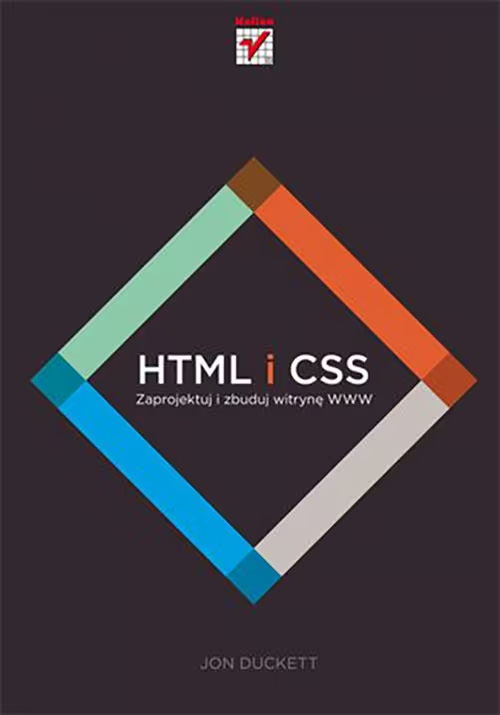
Published in 2011, still a valuable source of knowledge for beginners. You can start without having a clue what a <tag> is, but after going through all chapters, you should be able to create your own website. Newbies welcome!
JavaScript&jQuery. Interactive front-end web development
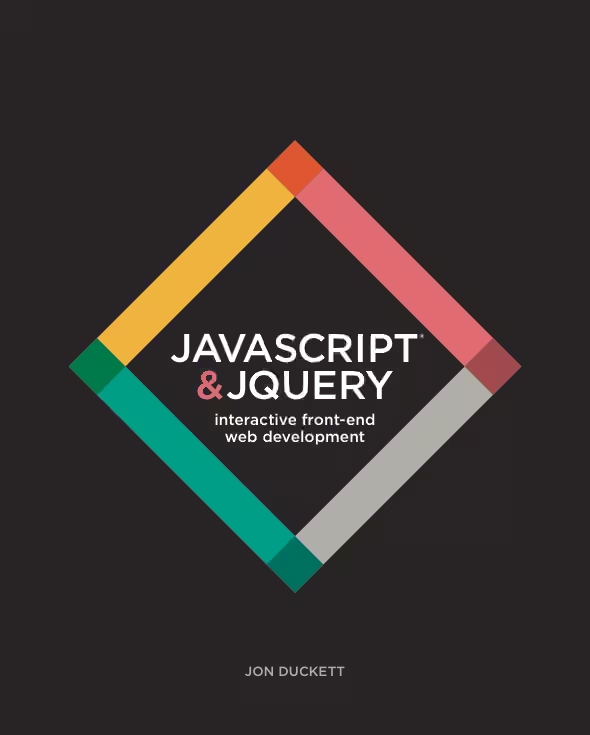
Another book from Jon Duckett is practically a continuation of the previous one. Dig into it only if you are already familiar with HTML and CSS. This book is filled up with real-front-end-life struggles, so you can learn exactly which solutions fit best to particular situations.
Still not enough of HTML and CSS? Try The Missing Manual series:
HTML5: the missing manual by Matthew MacDonald
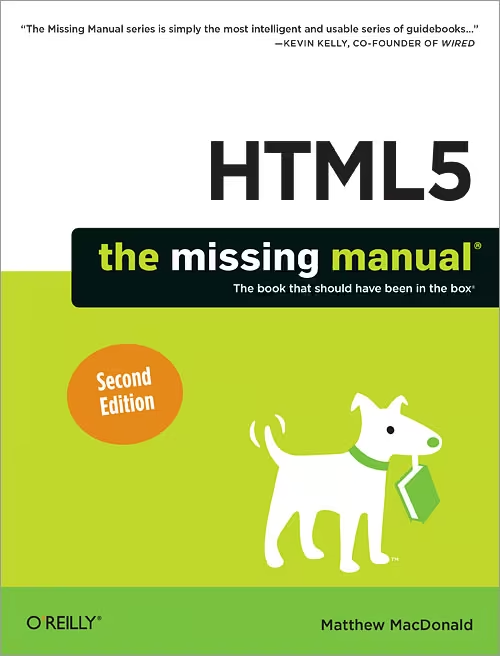
This book has more than 500 pages and due to its content, it is suitable for beginners as well as semi-experienced front-end developers. Also, let’s bear in mind that HTML5 has some additional features in comparison to the older version and they are discussed in details.
CSS3: the missing manual by David Sawyer McFarland
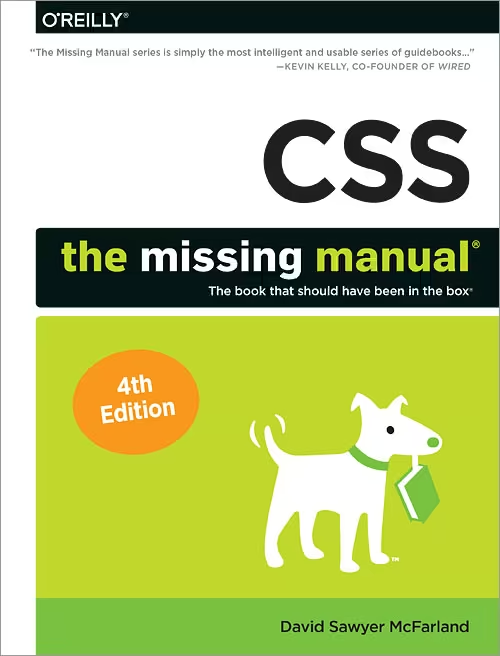
If you need some catch-up with CSS3, this book could help you.
Till now we had 4 positions for each language but to be honest, we all know that first of all, we have free time issues, and secondly, books are expensive. Even if it is an investment in yourself, sometimes all in one might be a better choice. In case you are a beginner searching for something to read that covers HTML/CSS and JavaScript including Ajax, jQuery and introduction to Bootstrap library, we have got you covered! Take a look at Front-End Web Development: The Big Nerd Ranch Guide by Chris Aquino and Todd Gandee.
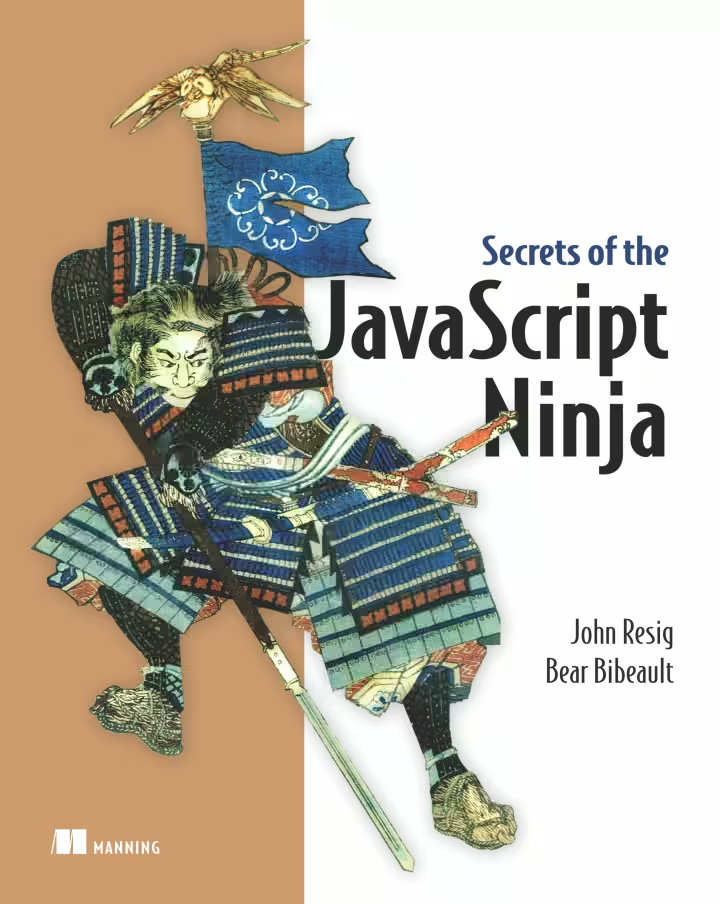
If you would like to focus on JavaScript which allows you to make your website more dynamic, try Secrets of the JavaScript Ninja. One of the authors (John Resig) is the creator of jQuery, so you get the knowledge from the source.
Another position worth mentioning is the book written by Stoyan Stefanov - JavaScript Patterns. Inside you will find not only how to write the code but also how to write it easy to debug or work on it together with a dev team.

Advanced front-end development
Do you have HTML, CSS and most important - JavaScript - at your fingertips? First of all, congrats! Now it is time to move on. Web development and programming allow you to constantly grow because there is always something that you can learn and this is why most of us love it. However, at some point, even changes in React development or improvements in your well-known environment are not that exciting anymore. Usually, when it comes to time and efficiency, best front-end developers prefer to work with tools which they know inside out. On the other hand, it is like driving constantly on a highway - straight to the point. This is why, regardless of the language itself, you might want from time to time to enhance your skills in the area which is slightly overlapping with yours. Try to understand how UX or Product Design works! It will definitely give you more flexibility while working on your next project. Another area could be digital marketing and SEO principles - useful knowledge for front-end developers and web designers in general.
Searching for more knowledge
If you have read all the books mentioned above but still feel the need to learn more, the internet is a good place for that. Try some courses, check YouTube channels, read some kickass codes and follow the most popular blogs in the industry. Get involved in a community, make StackOverflow the first site you visit in the morning and read open source codes on Github. Books we have mentioned are recommended for beginners and mid-level front-end developers. Remember, that all of those are tools to use and make things done. Good luck!
FAQ

Luiza Sadowska
Team Member
view more posts by Luiza Sadowska